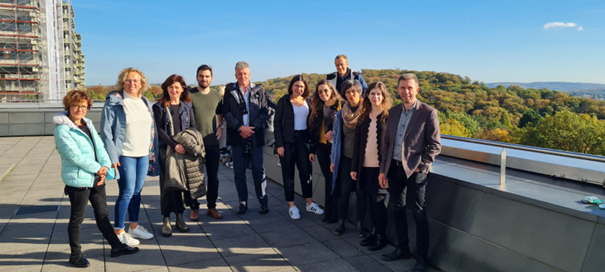
The community of UNIC’s Centres for Teaching and Learning aims to bring forward virtual international collaboration in the university classroom.
The UNIC CTL's Mission
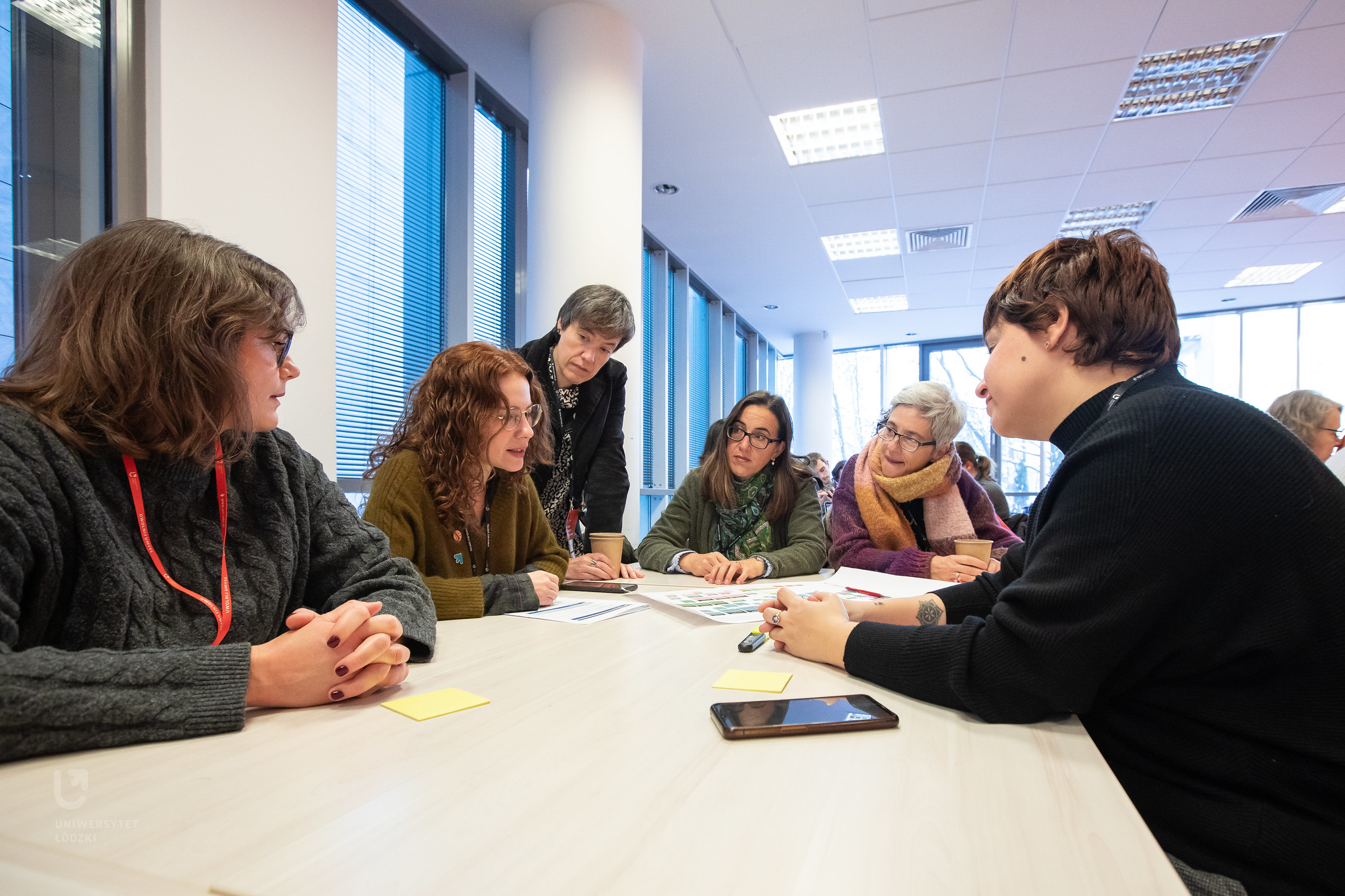
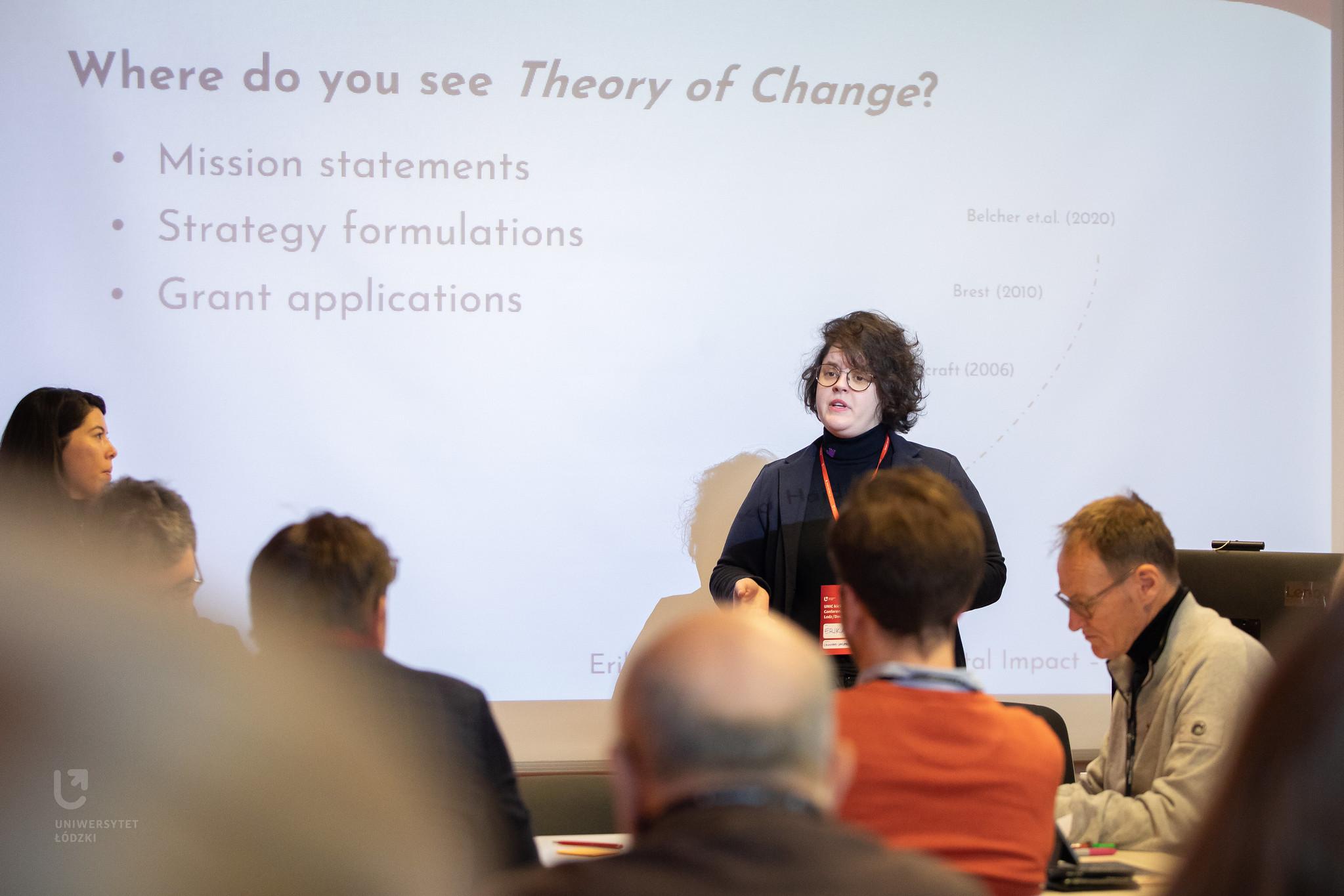
We develop and conduct UNIC InterTeach – professional development programme for university teachers - within the UNIC consortium, aiming at assembling teachers of all partner universities and from all disciplines in order to think of new ways of international cooperation in Higher Education.
Our network aims towards a stable and deep collaboration in order to improve our local offers and shape and design common offers. We are currently realising our first years’ programme for all UNIC university teachers, bringing together intercultural encounter and professional development. We also work on support materials and documents.
Learn More About the UNIC Centre for Teaching and Learning
UNIC InterTeach
UNIC InterTeach: Intercultural and Innovative Teaching and Learning
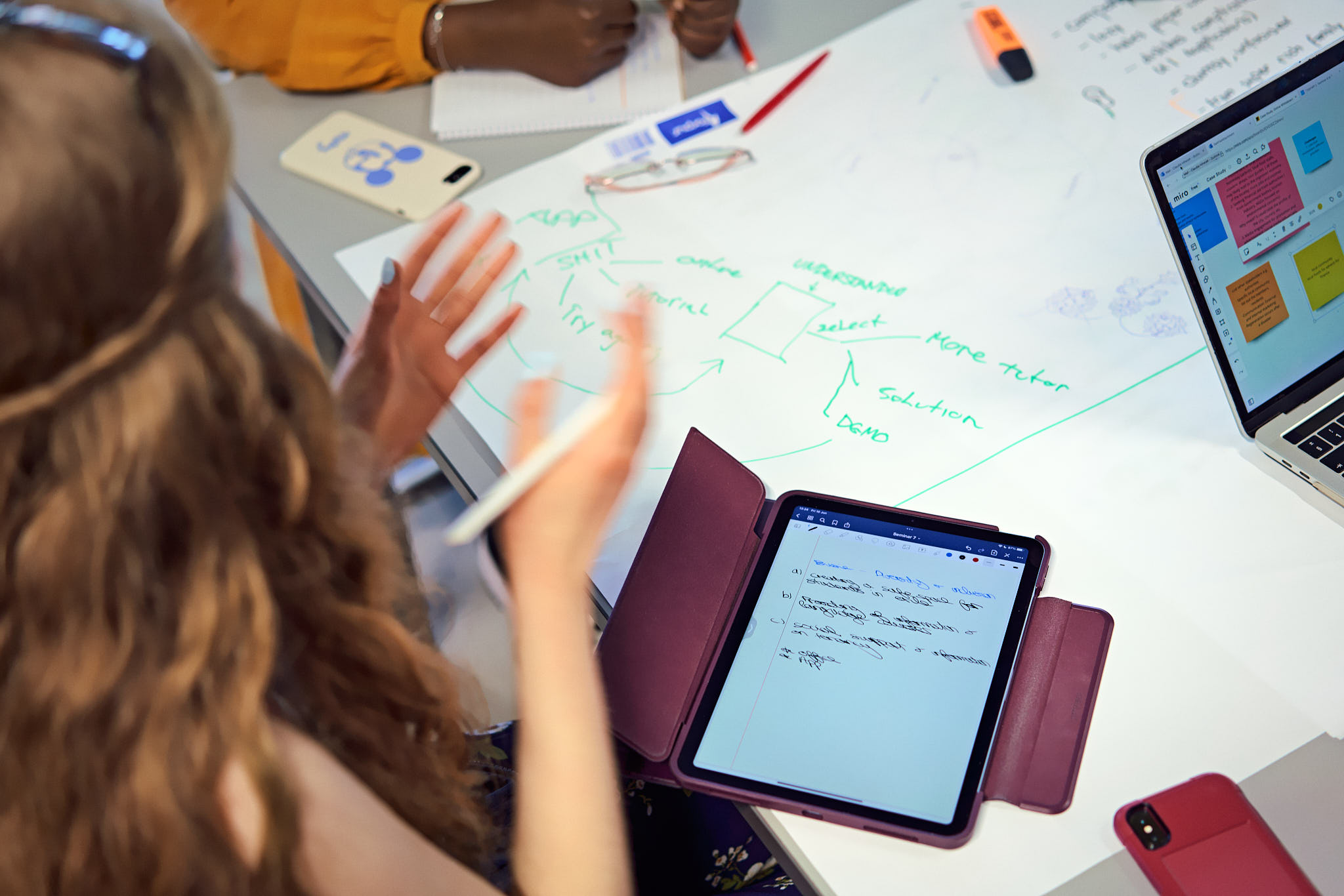
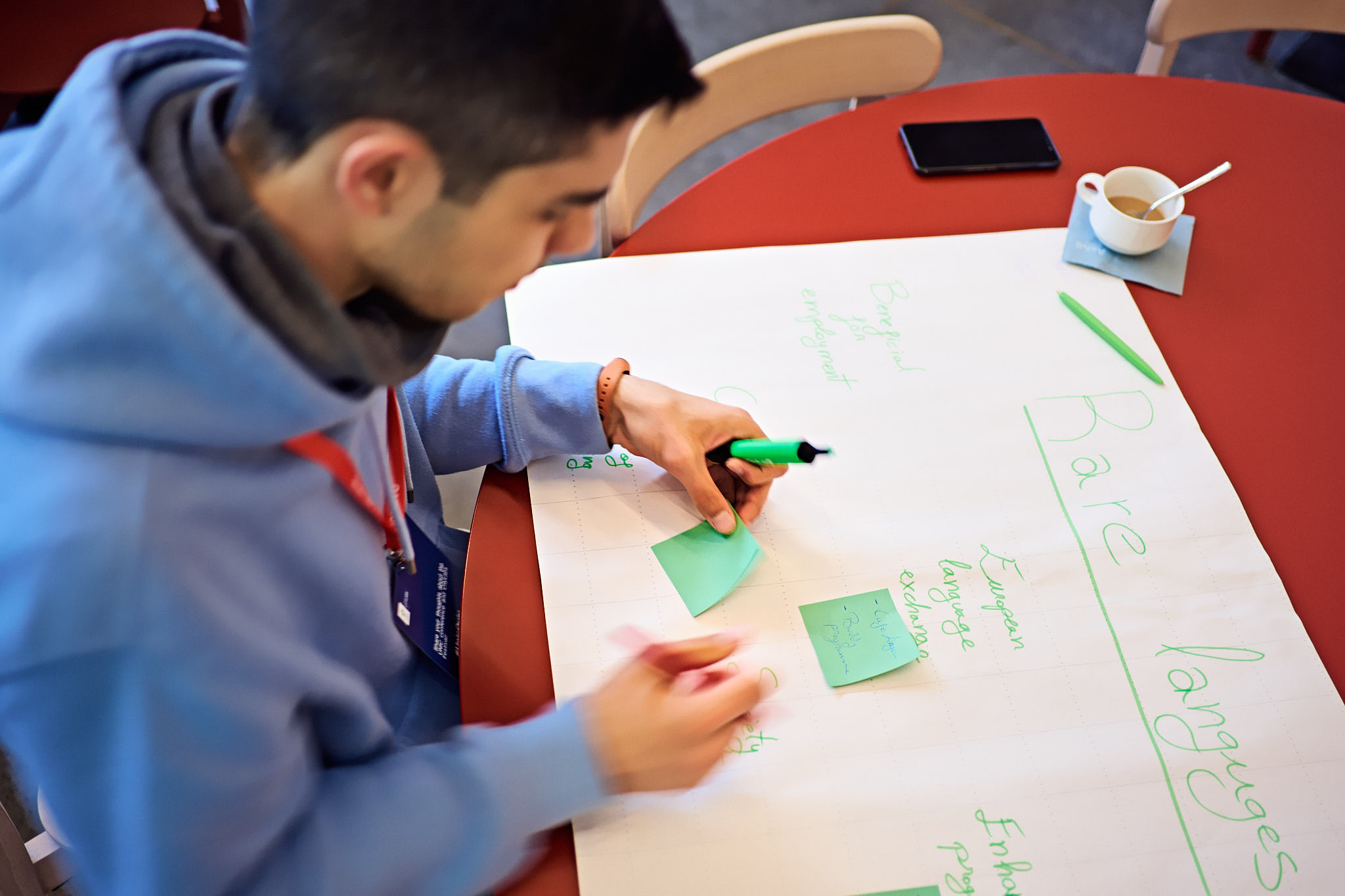
is the UNIC wide professional development programme for university teachers. It shall help and inspire university teachers to design innovative teaching and learning settings. All workshops are organised for an international audience, interactive, online and in English.
Interested teachers can register for one workshop or many, just as they wish. Participants will get a ‘proof of attendance’ after completion of any single workshop.
Participants can get a ‘certificate of engagement’ if they participate in two workshops of the same core topic AND evidence their engagement towards their local Centre for Teaching and Learning (CTL). For further information, please contact your local CTL or write to ctl@unic.eu
Fall Workshops 2026
Core Topic: Challenge Based Learning
In the international setting of this workshop you will familiarize yourself with common principles shared by virtual rural challenge-based learning (CBL) and rural e-service learning (e-SL), you will select appropriate e-SL tools for different phases of a CBL project, reflect on ways to overcome obstacles in rural initiatives and unlock potential of geographically disadvantaged communities and develop strategies for stronger community partnerships, reflection and impact. You will have the chance to network with other teachers from the UNIC alliance.
After this workshop you will be able to:
• elaborate similarities and differences between virtual rural challenge-based learning and e-service-learning.
• elaborate key areas of opportunity for virtual rural challenge-based learning.
• map existing e-SL tools onto the CBL cycle.
• redesign the rural challenge using e-SL tools.
Via Virtual Exchange students work together online on tasks and develop several skills such as cooperation and intercultural communication, in addition to professional knowledge. ALL students will get the opportunity for an international learning experience, and they will not be hindered by any mobility challenges. Next, it could also offer students interesting and new perspectives to the content of the course or study program.
After this workshop you will be able to:
• formulate actions to adapt your course design to integrate VE.
• motivate the opportunities for integrating an international experience in your course.
• select activities/tasks and tools for collaborative and international teamwork of students.
• discuss possible solutions for basic challenges of VE.explain the potential learning outcomes of Virtual Exchanges.
In the international setting of this workshop you will analyse the learning objectives and learning outcomes associated with the CBL method, consider what types of objectives are important for students and teachers in practical approaches and select appropriate assessment methods to match them. Participants will design objectives and assessment methods (taking into account assessment points, criteria and assessors) tailored to your own courses and disciplines.
After this workshop you will be able to:
• understand the types of learning and practical objectives that can be formulated for the CBL method.
• understand the specific nature of assessment during the semester for the CBL method, in line with the objectives formulated.
• design clear and varied objectives for students within the CBL method, which contribute to an understanding of the educational and practical purpose of this method.
• design an assessment process within the CBL method that is aimed at verifying the achievement of the set objectives, is structured over time, and provides comprehensive feedback.
• implement CBL in your courses in terms of formulating learning objectives and selecting methods to assess their achievement.
• continuously improve the educational objectives formulated and the assessment methods used, including when employing other teaching methods.
In the international setting of this workshop you will get to know a playful method to design e-learning courses. ABC is an effective and engaging hands-on workshop for higher education teachers in the learning design supported by digital technologies. Using a game format teams can work together to create a visual ‘storyboard’ outlining the type and sequence of learning activities (both online and offline) required to meet the course learning outcomes. ABC is particularly useful for new modules/courses/programmes or those changing to a blended or online format. The aim is to provide teachers with a new perspective on course design, methods, and activities to reach constructive alignment.
After this workshop you will be able to:
• discuss issues related to course design in an online environment.
• demonstrate the ABC method in the course design.
• list the advantages of using the ABC learning design method.
• structure module/ e-course using the ABC learning design method.
In the international setting of this workshop you will formulate effective approaches to guide student teams as they work through their projects. The goal of the workshop is to help instructors discover how to integrate project-based design into their courses by applying AI tools with a sustainability focus. This hands-on workshop will guide participants in developing a deeper understanding of how to have student teams design a sustainability-focused project and how to support them throughout the project management process.
After this workshop you will be able to:
• demonstrate an understanding of how to align discipline-specific courses with a sustainability mindset.
• develop ideas for designing group projects for sustainability-focused courses.
In the international setting of this workshop you will work with learning analytics. Learning analytics have become an essential part of modern education. The data collected through Moodle can provide valuable insights into student engagement, participation, and learning progress. By analysing activity reports, course completion data, assessment results, and other indicators, teachers can identify students who may need additional support, evaluate the effectiveness of learning materials, and make informed decisions to improve their courses.
After this workshop you will be able to:
• Recognise when students may need additional support by using Moodle's analytics and reporting features.
• Use Moodle data to understand how students engage with course content, progress through the course, and perform in assessments.
• Use evidence from Moodle reports to review and improve learning materials and course activities.
In the international setting of this workshop you will get to know the method "Visual thinking Strategies" (VTS). VTS is a method of cognitive and aesthetic development for stimulating critical thinking through art that can be applied across disciplines, and is specially suitable to promote inclusion, sustainable development and interdisciplinarity. As a facilitation method and professional development programme, VTS is applied in multiple educational contexts globally, including at UCC since 2012.
In this international setting you will familiarize with the concept of Virtual Exchange (resp. COIL), you will reflect on your own teaching culture and discover the learning and teaching culture of your partners. You will collaborate to create a Virtual Exchange setting for your students. You will create first ideas for fostering the collaboration of your students. You will discuss challenges of intercultural encounters and learn how to deal with them. You will have the chance to network with other teachers from the UNIC alliance.
After this workshop you will be able to:
• explicate how culture influences teaching and learning processes at universities.
• describe the intercultural challenges for your students in a Virtual Exchange setting.
• apply different teaching activities that support Virtual Exchange and intercultural learning for students.
• collaborate with other teachers from the European university alliance UNIC on Virtual Exchange activities.
This workshop aims to provide educators with the knowledge to incorporate sustainable development and sustainability competencies into their pedagogical practices. Participants will explore the different aspects and frameworks of sustainability such as the UN Sustainable Development Goals (SDGs), Agenda 2030 and discuss their possible critiques. We will also look at the essential competencies for sustainable development. Through collaborative activities and peer feedback, attendees will formulate actionable plans to integrate these concepts into their teaching methodologies.
After this workshop you will be able to:
• Define sustainable development and critically evaluate it as a concept.
• Introduce the Sustainable Development Goals (SDGs) and evaluate their relevance to education.
• Identify and articulate the essential competencies required for effective Education for Sustainable Development (ESD).
• Describe and share examples for good practice of integrating sustainable development into teaching
• Engage in collaborative activities to create actionable plans for incorporating sustainable development into your curricula.
In the international setting of this workshop you will explore SI-PASS, a peer-learning program based on the Supplemental Instruction model, and PEPPS, a home-grown peer-mentoring program. Drawing on several years of implementation, coordination, and research, you will examine the recruitment and training of student leaders and buddies, collaboration with faculties and other stakeholders, the promotion of participation, implementation challenges, meaningful data collection, and the use of evidence for continuous improvement. Presentations will be combined with discussion and comparison with participants’ own institutional contexts.
After this workshop you will be able to:
• distinguish between two complementary forms of near-peer support: peer learning (SI-PASS) and peer mentoring (PEPPS).
• anticipate some of the recurring challenges involved in recruiting, training, supporting, and coordinating large numbers of student leaders or buddies.
• identify relevant indicators and data sources for monitoring program implementation, participation, student experience, and outcomes.
Via Virtual Exchange students work together online on tasks and develop several skills such as cooperation and intercultural communication, in addition to professional knowledge. ALL students will get the opportunity for an international learning experience, and they will not be hindered by any mobility challenges. Next, it could also offer students interesting and new perspectives to the content of the course or study program.
After this workshop you will be able to:
• formulate actions to adapt your course design to integrate VE.
• motivate the opportunities for integrating an international experience in your course.
• select activities/tasks and tools for collaborative and international teamwork of students.
• discuss possible solutions for basic challenges of VE.
In this international setting you will work through hands-on activities and examples of real service-learning (SL) experiences in higher education. You will also discover a check-list to implement service-learning, and design your own SL experience for one of your courses.
After this workshop you will be able to:
• describe service-learning methodology and identify its defining elements.
• identify the steps to implement service-learning methodology in a course.
In this international setting you will familiarize with the concept of Virtual Exchange (resp. COIL), you will reflect on your own teaching culture and discover the learning and teaching culture of your partners. You will collaborate to create a Virtual Exchange setting for your students. You will create first ideas for fostering the collaboration of your students. You will discuss challenges of intercultural encounters and learn how to deal with them. You will have the chance to network with other teachers from the UNIC alliance.
After this workshop you will be able to:
• explicate how culture influences teaching and learning processes at universities.
• describe the intercultural challenges for your students in a Virtual Exchange setting.
• apply different teaching activities that support Virtual Exchange and intercultural learning for students.
• collaborate with other teachers from the European university alliance UNIC on Virtual Exchange activities.
The Centre is compiling documents that help teachers get inspired on international teaching – you can read about your colleagues realising international teaching collaborations in our Handbook on Physical and Virtual Mobility. These "stories from the field" show the variety of options for how Internationalisation of the Curriculum is implemented within UNIC. You can also find checklists and practical hints if you want to reflect on your teaching.
The UNIC Handbook on Physical and Virtual Mobility is freely downloadable and shareable. A PDF viewer is recommended to view this document.
More CTL Teaching Guides & Checklists in our UNIC Library
Download our editable checklists [.DOCX] and CTL Teaching Guides [.PDF] providing focused information on the UNIC core topics.
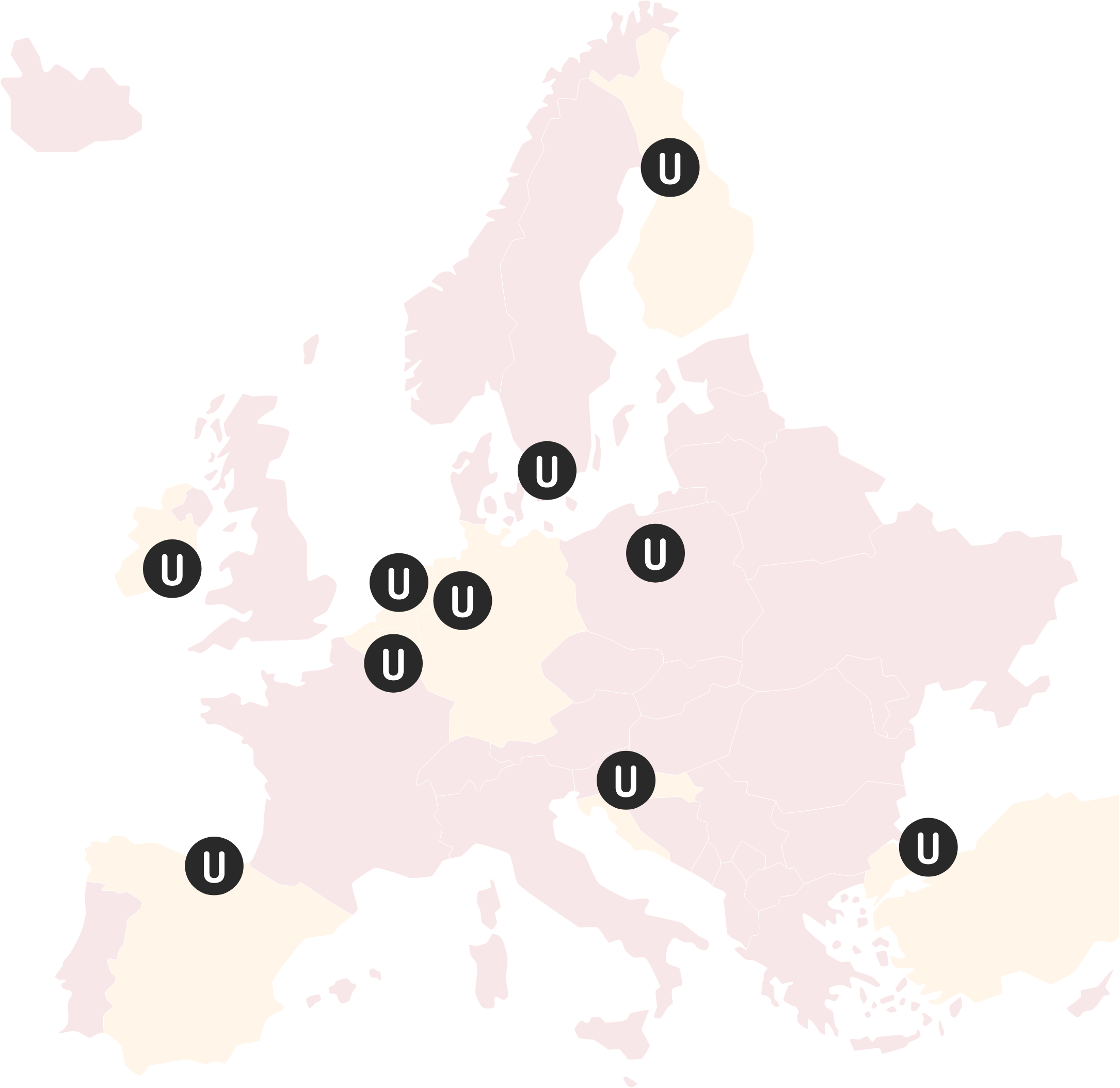
The UNIC Fund for Virtual and International Education Projects aims to support virtual international educational activities across UNIC university partners. It is an open Call supporting the design, coordinatation and implementation of virtual exchange initiatives that are inclusive and accessible.
The call is open to all staff members of all ten UNIC universities (part- and full-time professors, educators, lecturers etc.) involved in teaching. All faculties, topics and disciplines are welcome.
We support and help teachers and lecturers at all UNIC universities across Europe to integrate virtual international activities into their courses. Email us at ctl[at]unic.eu